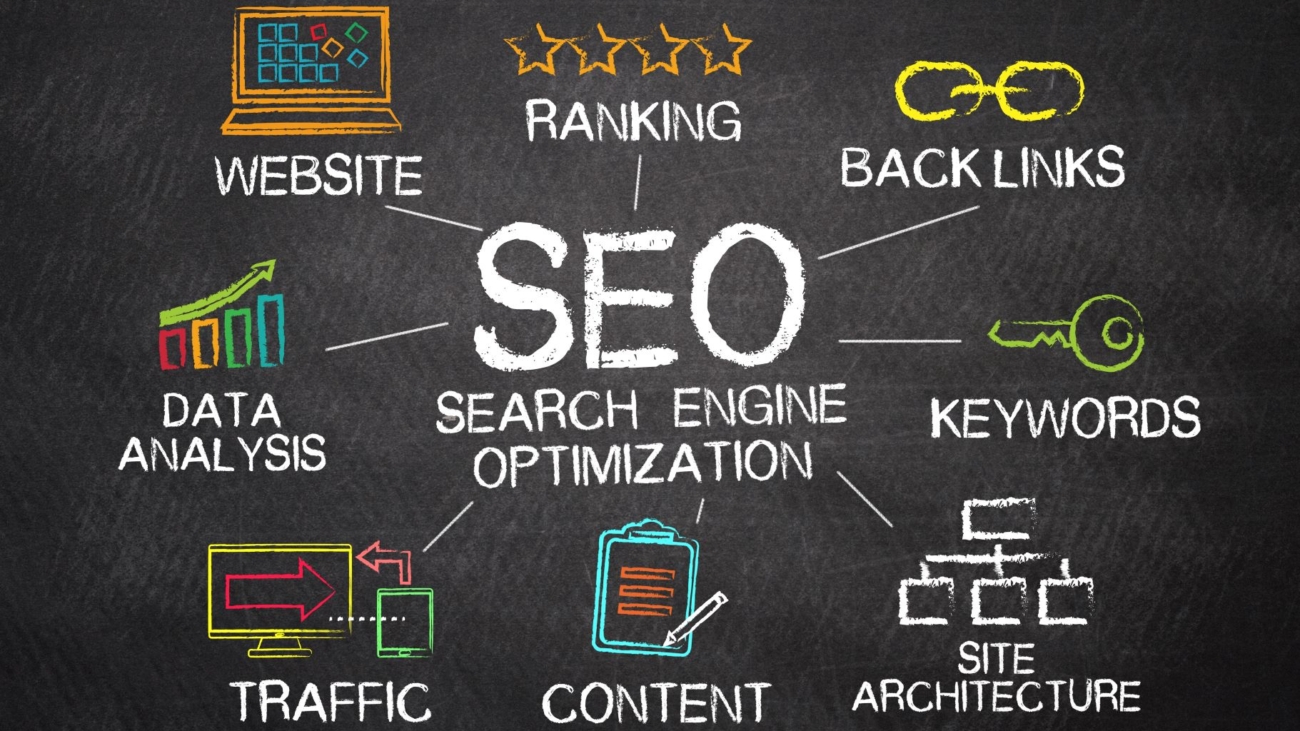

How Does SEO Work?

From crawl to SERP: a complete anatomy of organic search to understand, implement and dominate search engine rankings.


What Is SEO?

SEO — standing for Search Engine Optimization — refers to the full set of techniques and strategies designed to improve a website’s organic visibility in search engine results pages (SERPs). Unlike SEA (Search Engine Advertising), which relies on paid placements, organic search drives qualified traffic with no cost per click.

In a digital ecosystem where Google processes over 8.5 billion queries every single day, mastering SEO has become a fundamental skill for any online business seeking to build domain authority, increase visibility and grow organic acquisition.


How Google Crawls and Indexes the Web

Before optimizing, you need to understand the lifecycle of a page in the eyes of a search engine. This process breaks down into three distinct, interdependent phases.

1. Crawling — Automated Web Exploration

Crawl bots — Googlebot chief among them — navigate the web by following hyperlinks from page to page. This crawling process allows the search engine to discover new URLs, detect content updates and evaluate your site architecture. The crawlability of your pages depends directly on your robots.txt file, your XML sitemap and the quality of your internal linking structure.

2. Indexing — Storage in the Search Database

Once crawled, a page is semantically analyzed and stored in Google’s index — a massive database containing hundreds of billions of pages. Indexability depends on content quality, meta robots tags, canonical directives and the absence of duplicate content.

3. Ranking — The Classification Algorithm

This is where the real work happens. Google deploys hundreds of ranking signals to order search results. The algorithm — which now incorporates machine learning models like RankBrain and MUM — simultaneously evaluates semantic relevance, user experience and page authority.

“SEO is not about gaming the algorithm — it is the art of making quality content understandable, accessible and genuinely relevant to both search engines and users.”


On-Page SEO — Content Relevance

On-page optimization covers every element you can directly control on your website. It starts with rigorous keyword research: identifying target queries, analyzing monthly search volume, keyword difficulty and search intent (informational, transactional, navigational or commercial).

Key elements to optimize include: the title tag (50–60 characters, primary keyword front-loaded), a compelling meta description (120–158 characters with a clear call to action), a clean heading structure (single H1, H2/H3 tags enriched with LSI keywords), E-E-A-T content (Experience, Expertise, Authoritativeness, Trustworthiness), descriptive alt tags on all images, clean canonical URLs and Schema.org structured data markup for rich snippets.

Off-Page SEO — Authority and Reputation

Off-page SEO is dominated by link building: the acquisition of backlinks from third-party domains. Every inbound link acts as a trust signal in Google’s eyes. Quality matters far more than quantity — a single backlink from a high Domain Authority (DA) or high Domain Rating (DR) site is worth infinitely more than dozens of links from low-value domains.

Metrics such as Trust Flow and Citation Flow (Majestic SEO), Domain Authority (Moz) and Domain Rating (Ahrefs) are third-party scores that estimate a domain’s authority. Google does not use these scores directly, but they remain reliable proxy indicators of the strength of a backlink profile.

Technical SEO — The Foundation of Your Website

Without solid technical foundations, no content strategy will deliver results. Technical SEO covers page speed (Core Web Vitals: LCP, INP, CLS), mobile-first architecture, HTTPS security, 404 error management and 301 redirects, crawl budget optimization and Schema.org structured data implementation.


Core Web Vitals & User Experience

Since the rollout of Google’s Page Experience Update, Core Web Vitals have become official ranking factors. These metrics measure perceived user experience quality: LCP (Largest Contentful Paint, ideally under 2.5 seconds), INP (Interaction to Next Paint, under 200ms) and CLS (Cumulative Layout Shift, under 0.1).

A technically performant website lowers bounce rate, increases average session duration and improves behavioral signals — all indicators that Google interprets as evidence of user satisfaction.


Search Intent and Semantic Content Strategy

The rise of BERT, MUM and large language models within Google’s algorithm has fundamentally transformed the editorial approach to SEO. The goal is no longer to place a keyword a set number of times in a piece of text, but to fully satisfy search intent — that is, to comprehensively answer the implicit question behind every query.

The topic cluster strategy involves structuring your content around pillar pages (broad, authoritative pages on a central theme) and cluster pages (long-tail articles covering specific subtopics), all connected through dense internal linking. This architecture strengthens the site’s topical authority in the eyes of the search engine.

Long-Tail Keywords — SEO’s Hidden Goldmine

Long-tail keywords — queries of four words or more — account for over 70% of total search volume. Less competitive by nature, they attract highly qualified traffic with strong purchase intent. A mature SEO strategy combines the pursuit of high-volume head terms with systematic capture of long-tail search demand.

“High-performing SEO content in 2025 does not target a keyword — it solves a problem, covers a topic comprehensively and demonstrates genuine expertise (E-E-A-T).”


KPIs and SEO Analytics Tools

Effective SEO is built on a data-driven culture and rigorous performance tracking. Key metrics to monitor include: organic traffic, average ranking position (rank tracking), click-through rate (CTR) in the SERP, organic conversion rate and the evolution of your backlink profile.

Essential tools in any SEO toolkit: Google Search Console for official performance and indexation data, Google Analytics 4 for user behavior and traffic attribution, Ahrefs or Semrush for backlink audits and competitive analysis, Screaming Frog for technical site audits, PageSpeed Insights for Core Web Vitals diagnostics, and Surfer SEO or Clearscope for semantic content optimization.


SEO: A Long-Term Investment With Compounding Returns

Unlike paid media campaigns that stop generating traffic the moment the budget runs out, organic search compounds over time. Well-optimized content, backed by a strong backlink profile and flawless technical execution, can drive a steady stream of qualified organic traffic for months — even years.

In 2025, SEO is no longer about technical shortcuts or quick wins. It demands a strong editorial vision, a deep understanding of user intent and the ability to produce content that genuinely deserves to rank on page one. That is the true promise of SEO — and precisely why it remains the digital acquisition channel with the highest long-term ROI.

Michał Szymański

SEO and digital marketing specialist, and owner of the ABCX SEO agency. For many years he has been working in website positioning, technical site optimisation and managing advertising campaigns within the Google ecosystem. In his work, he focuses on building scalable traffic acquisition strategies that translate into real business results. He has extensive experience working on projects of all scales — from local service businesses to large websites and e-commerce stores.

He combines an analytical approach with hands-on implementation, grounding his strategies in data, competitive analysis and current search engine trends. His skill set is further complemented by social media management and the building of consistent brand communication across digital channels. He creates social media presence strategies that support SEO efforts and advertising campaigns, increasing reach, engagement and brand awareness.

As agency owner, he oversees project development, supervises marketing strategies and implements effective solutions across SEO, content marketing and online advertising. He places a strong emphasis on transparency, long-term partnerships and measurable results.

seo

Why is SEO needed for your website?

Search engine optimization (SEO) is an important part of any website, and it’s especially important for small businesses. Without proper SEO, your website won’t get the traffic it deserves and you’ll be missing out on all the benefits that come from having a thriving online presence. In this blog post, we’ll talk about why SEO is needed for your website and what you can do to make sure your site has the best possible chance of ranking high in search engines.

What is SEO?

Search engine optimization (SEO) is the process of affecting the visibility of a website or a web page in a web search engine’s unpaid results—often referred to as “natural”, “organic”, or “earned” results. In general, the earlier (or higher ranked on the search results page), and more frequently a site appears in the search results list, the more visitors it will receive from the search engine’s users; these visitors can then be converted into customers.

SEO may target different kinds of search, including image search, local search and industry-specific vertical search engines. Search engine optimization tactics may be employed as part of an overall marketing campaign intended to promote a business’s website or online services, and not specifically to drive more traffic to that website. The goal of this kind of SEO is generally to drive traffic through quality content, improve rankings for bring users back to visit the site, who would otherwise not return without the value proposition presented by the website.

Search engines are known for ranking sites based on relevancy rather than based on paid advertisements and links. This means that if your site has relevant content that people want to read, you’re bound to get higher rankings than those who put up spammy content.

Why is SEO needed for my website?

If you want to increase your sales, it is essential that you have a strong online presence. If you want to be successful in the online world, you need to have a good SEO strategy that can help you grow your business. SEO helps to increase traffic on your site and make it visible among millions of other websites, which makes it easier for potential customers to find what they are looking for.

How important is SEO for my website?

In today’s competitive environment, it has become very important to rank high on search engines like Google, Yahoo! and Bing etc., as this will increase your chances of reaching out to potential customers and generate more leads for your business.

SEO – is there anything to fight for?

SEO is a method that allows you to improve the visibility of your website in search engines. The name comes from the phrase “search engine optimization,” and it involves using specific steps to increase traffic and leads from search engines like Google, Yahoo!, Bing and others. The purpose of SEO is to make sure that your site appears highly ranked in search results related to keywords and phrases relevant to your business.

SEO can be an important part of your website’s success because search engines are a great way to attract new customers. If your company doesn’t have a website, you’re missing out on potential customers who are looking for products or services just like yours. And if you do have a website, but it isn’t optimized for search engines, you’re losing out on a huge opportunity to grow your business.

So why should you invest in SEO? Because it works! In fact, according to research by BrightEdge Inc., 79 percent of online experiences begin with search engines. That means there’s no denying the importance of SEO for any website hoping for success in today’s competitive landscape.

SEO may target different kinds of search, including image search, local search, video search and industry-specific vertical search engines. SEO differs from local search engine optimization in that the latter is focused on optimizing a business’ listing in online directories such as Google Local, Yelp and Superpages. The former instead depends on organic traffic from the search engines, which includes both unpaid results (through high-quality content and other onsite optimization) and paid listings (through pay per click campaigns).

Organic Search Engine Optimization (SEO) involves using techniques to improve your website’s visibility in organic (unpaid) search engine results. Some consider SEO to be a synonym for “search engine optimization,” but others make a distinction between them: they define SEO as creating content that will rank your website higher than its competitors in organic searches; while Search Engine Optimization refers to strategies used by businesses to achieve higher rankings in their respective industry’s SERPs.

Seo – the main parameters

The main parameters of seo are:

  • Keywords and keyphrases: these are the words and phrases that you should use in your content. You can find them by searching for the same keywords in Google, Bing, Yahoo and other search engines.
  • Content length: the longer your content is, the better. It will be more interesting for readers and will help you create a better ranking for relevant keywords.
  • Quality of links: links from other websites are very important for a good ranking, so it is important to make sure that your website has many quality backlinks from reputable sources like .edu or .gov websites.
  • PageRank – PageRank is a measure of how important a webpage is relative to other pages on the web based on how many other high page rank websites link to it. This helps determine where a page will be ranked in SERPs for certain keywords.
  • Links – Links from other websites that point back to your site help increase its PageRank score and make it more visible in SERPs results pages

Good SEO techniques

SEO is a marketing strategy that helps your website rank higher in search engines.

The more people who see your website in the search results, the more traffic it’s likely to receive.

SEO is about creating content for users, not for search engines. It’s about making sure that users find what they’re looking for on your website quickly and easily, whether they’re coming from Google or anywhere else on the web.

In other words, SEO is about giving people what they want. If you have an ecommerce site, it means offering products customers want to buy and information they want to know. If you have a blog, it means writing articles that provide useful information that readers will enjoy reading and sharing with their friends.

Good SEO techniques help people find what they’re looking for quickly and easily.

The following are some of the benefits of having good SEO techniques:

1) It increases traffic to your website

2) It helps increase sales and revenue

3) It boosts customer satisfaction

How does SEO help your earnings?

By improving your organic traffic, SEO helps increase both direct sales and indirect sales through affiliate programs (when affiliates send traffic to you). By focusing on high quality content, improving user experience and building relationships with other websites, your website will be able to attract more visitors from search engines like Google and Bing. These visitors will then convert into sales for you – so in short: if you have a website with poor SEO then you’re missing out on free money (and customers).

SEO is a systematic approach to increasing traffic and revenue to your website or blog

It’s not enough to simply have a great product and a beautiful website — you have to let people know about it. Search engine optimization (SEO) is the process of improving the visibility and ranking of a website or web page in search results, typically through organic search.

SEO can be used to increase the number of visitors to a website by getting them to click on an online advertisement, which will then take them to that site. SEO may also be used to improve the ranking of a website that reflects positively on a company’s brand.

SEO helps you get more traffic from Google searches by improving your site’s “on-page” factors like content, title tags, meta descriptions, URLs and keyword usage. This makes it easier for Google’s bots (and humans) to understand what your page is about and how useful it is for their users’ needs.

So, how does SEO help your business?

SEO helps businesses of all sizes to generate traffic from organic search results, which can then be converted into leads and sales. It also helps to reduce costs associated with paid ads such as PPC advertising or social media by increasing organic exposure through free listings on SERPs.

SEO audit

SEO audit is a process of analyzing your website for potential SEO issues and checking the current state of your SEO.

SEO audit is important because it helps you understand if there are any issues with your website that can be improved on, what needs to be done, how much it will cost and how long it will take to achieve higher search rankings.

There are many companies offering SEO audits, but not all of them are worth spending money on. Some companies charge hundreds or thousands of dollars to do an SEO audit, which is completely unnecessary if you have the right tools and knowledge at your disposal.

To help you get started with an SEO audit, we have created a free SEO audit checklist for you to analyze your website’s performance in search engines such as Google, Yahoo! and Bing. The checklist consists of 19 questions that will help you find out what’s going on with your site, how well each page ranks in search engines and whether there are any issues that need fixing before they become more serious problems that can seriously hurt your website’s performance. And if you’re not interested in doing an SEO audit on your own, we also offer professional SEO services at affordable prices.

What is SEO

What is SEO?

SEO is the process of affecting the visibility of a website or a web page in a search engine’s unpaid results—often referred to as “natural,” “organic,” or “earned” results. SEO may target different kinds of search, including image search, local search, video search, academic search, news search and industry-specific vertical searches.

The goal of SEO is to have a web page rank higher in the list of results on an Internet search engine for particular keywords or phrases. The higher ranking on such lists can lead to increased traffic that can translate into profit for the company.

The SEO landscape has changed drastically in the last few years. Google’s algorithm changes have made it harder to game the system or manipulate rankings. The focus has shifted from ranking higher in search engine results pages to ranking higher on social media platforms like Facebook and Twitter. This shift is largely due to the rise of mobile technology which has caused people to spend more time on their smartphones than on their computers.

The Importance of SEO for Your Online Business

SEO is important for any business that wants to prosper in the digital era. It doesn’t matter if you are a small business or a large corporation, because SEO can make your product or service more visible to potential customers. The best way to grow your online business is by optimizing your website for search engines. The more people who see your site, the more likely they are to buy from you.

SEO Strategies That Will Get You Noticed Online

Search engine optimization is a process of optimising the website to rank higher on search engines for relevant keywords.

The best free SEO tools that you can use to improve your website’s ranking are: SEMrush, Ahrefs, RankTank, and Google Keyword Planner.

You can do keyword research for your business by using these free tools: SEMrush, Ahrefs, RankTank, and Google Keyword Planner.

What are the Most Important Factors for SEO Success?

SEO is a complex process that requires a lot of time and effort. It’s not just about how many backlinks you have or how many social media followers you have. There are many other factors that affect your ranking on Google. It’s important to keep in mind that SEO is an evolving process. The most popular and successful SEO strategies today might not work tomorrow, so it’s important to be flexible and adaptable.

How to Improve Your Website’s SEO with 5 Actionable Tips & Tricks

SEO is the process of improving your website’s visibility in the search engine results pages. It can be done by following few simple tips that are easy to implement.

1. Create a Content Strategy:

2. Optimize Your Site for Mobile Devices:

3. Use Semantic Markup:

4. Include Social Sharing Buttons on Every Page:

5. Update Your Site Regularly

  • Optimize your on-page SEO
  • Increase social media engagement